

With the country underestimating the popularity of Godzilla Minus One and opening 400 more screens to play the film on we discuss why Japanese Godzilla movies are leaps and bounds above Hollywood’s version.

Whilst it’s forever an ongoing debate about who makes the best movies I’ll go over both versions of Godzilla on the big screen and shuffle between the two but many out there who are reading this article already have a winner in their mind before we even begin, let’s see if we’re on the same page.
The heart of this very argument often centers on distinct stylistic and cultural differences, each offering unique merits. While opinions on film preferences vary, several aspects make Japanese Godzilla movies stand out, often revered by fans for their unparalleled depth, cultural significance, and artistic representation.
Hollywood versions are built on their own merit but as of late throwing known names from TV shoes to shoehorn a name into the movie to give it some star power takes the shine away from the real star here and that’s good old Gojira (a Japanese word combining gorilla and whale together for those who didn’t know).
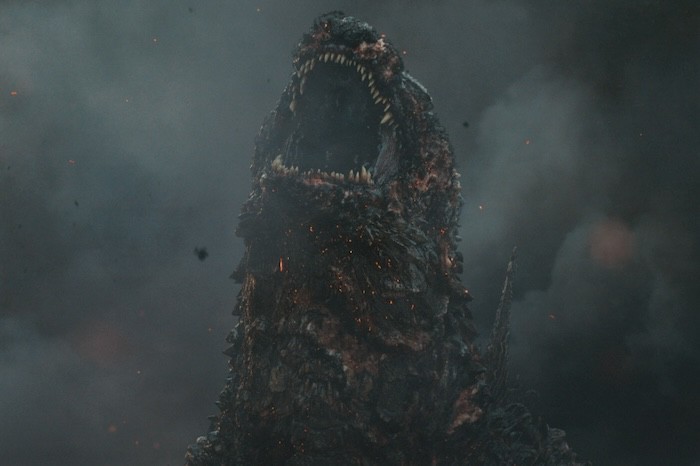
Firstly, the origin and evolution of Godzilla in Japanese cinema significantly influence the storytelling and thematic depth of these movies.
The original 1954 Japanese film, “Gojira,” directed by Ishiro Honda, emerged as a poignant allegory for the horrors of nuclear warfare.
The film brilliantly depicted the repercussions of atomic bombings, reflecting Japan’s post-World War II sentiments and anxieties.
Underlying a commentary of the consequences of human action resonates through many Japanese Godzilla films perfectly combining the social and culture relevance.
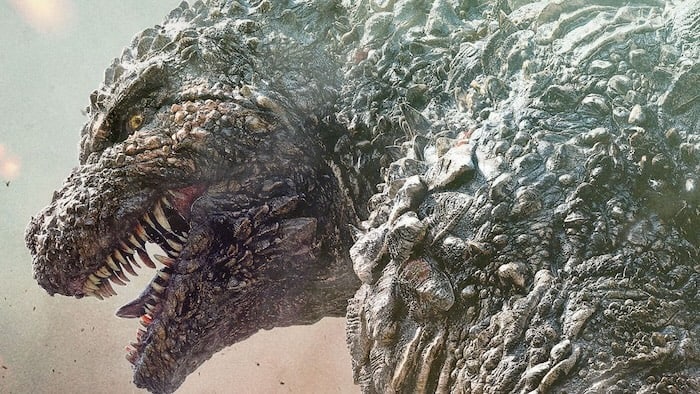
There is a huge difference between the Japanese versions and Hollywood’s incarnation when it comes to how the films are portrayed. Japanese versions tend to prioritise character development and have an emotional depth to them as Godzilla is seen as more than a destructive force of nature whereas the Hollywood versions only tend to focus on how much Godzilla can destroy a certain city.
Portraying Godzilla in the Japanese way allows audiences to somewhat empathise with Godzilla’s struggles as he forms a symbol of tragedy and resilience whereas the American versions just see him as this all guns blazing world destroyer completely devoid of any emotional depth or character development within every single movie that they release.
Cinematic techniques and storytelling methods also distinguish Japanese Godzilla films. The use of practical effects, miniature models, and suitmation in the earlier movies fostered a distinct charm and authenticity, allowing filmmakers to create immersive and tangible worlds. The artistry behind these practical effects, though less technologically advanced compared to modern CGI, contributed to the iconic nature of Japanese Godzilla films and continues to captivate audiences.
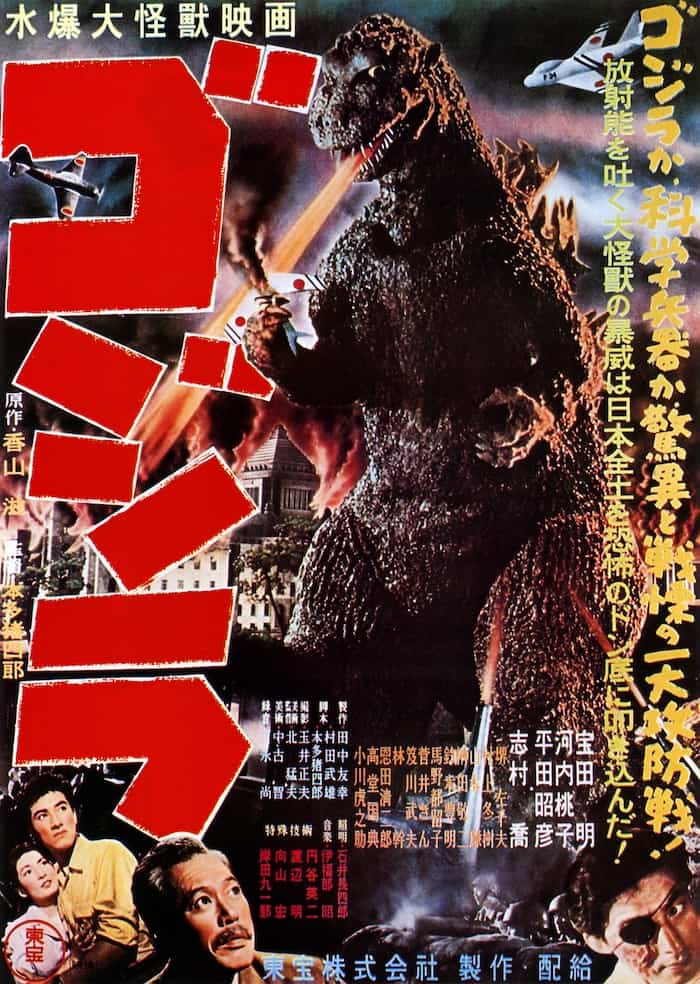
Godzilla is deepy ingrained in Japanese pop culture and spending more time to honour the character is something that just doesn’t happen in Hollywood.
The creature’s significance extends beyond a mere monster, weaving into Japanese folklore and societal consciousness, which often adds layers of depth and complexity to the storytelling.
Hollywood just stuff their films full of CGI and cram as many action shots into a sequences as humanly possible completely avoiding any sort of sensititives around the essence and cultural significance of Godzilla.
Spectacle over substance is definitely the Hollywood way of life and whilst that does appeal to a certain audience (Everyone who keeps seeing Fast and Furious movies each and every time they hit the cinema being a prime example) it’s not even comparable to how sensitively they treat the character over in Japan.
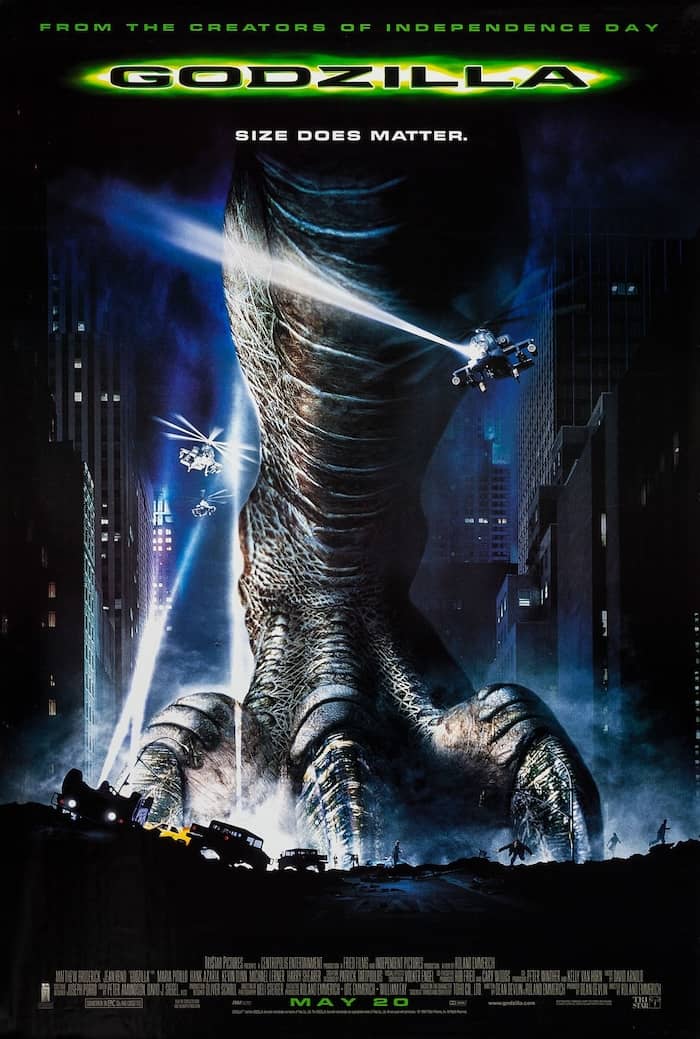
You only have to look at the poster above from the 1998 American version of the film, it’s depicting a giant Godzilla foot trampling on a city. Already you know what to expect from the film when destruction is clearly on display from the start on its marketing materials!
Gripping storytelling, social commentary, cultural relevance and a cinematic legacy for the ages, Godzilla is cherished in Japan where it goes far beyond a mere monster movie.
The emotional resonance, thematic depth, and cultural significance embedded in these films continue to captivate audiences worldwide, solidifying their place as iconic pieces of cinematic history.
Sort it out Hollywood, we want at least a few movies a year where it feels like you actually care about the characters you are crafting.
Profit over quality and care has been at the forefront for far too long now, it’s time for a change up.