
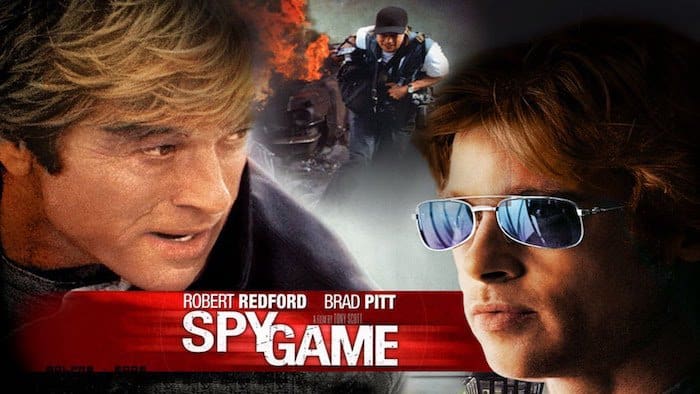
Tonight’s feature presentation is Tony Scott’s Spy Game.
Playing like an unofficial sequel to Three Days of the Condor in the same way that Enemy of the State feels separated at birth from The Conversation, Spy Game is a refreshingly adult and smart espionage tale, mixing slick action with just enough brains, but one that had the somewhat unfortunate event of being a CIA/spy/terrorist movie that got released one month after the 9/11 terrorist attacks.
Well-reviewed by critics, the film did surprisingly solid box office, but for whatever reason I still feel as if this movie doesn’t get enough credit; it’s one of Tony Scott’s least discussed and most underappreciated films.
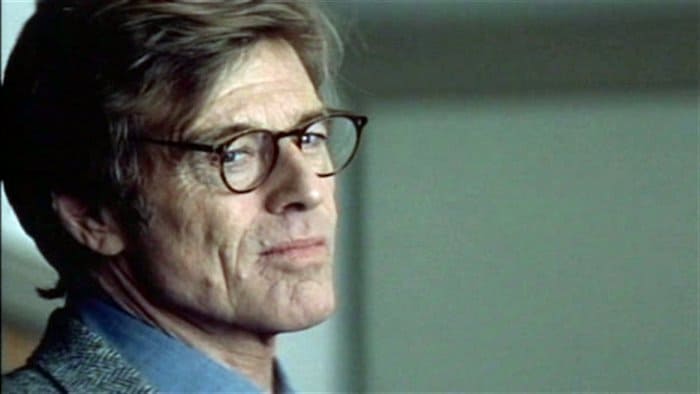
After a mostly wordless and utterly gripping opening 10 minutes that’s masterfully edited by Christian Wagner, and which sees Brad Pitt’s young spy character getting nabbed in China, Spy Game hurtles along at a break-neck pace, shuffling between flashbacks which establish the relationship between Pitt and his mentor, a grizzled but still suave old spook played with sagacious style by Robert Redford, and his status as a prisoner of war in a Chinese holding cell. And for a ticking-clock additive, he’ll be executed in 48 hours in accordance with foreign espionage laws. And as an added bonus, the film takes place over the final day of Redford’s career in the agency, so with retirement on a tropical island looming, how will things play out for the old vet and the young asset?
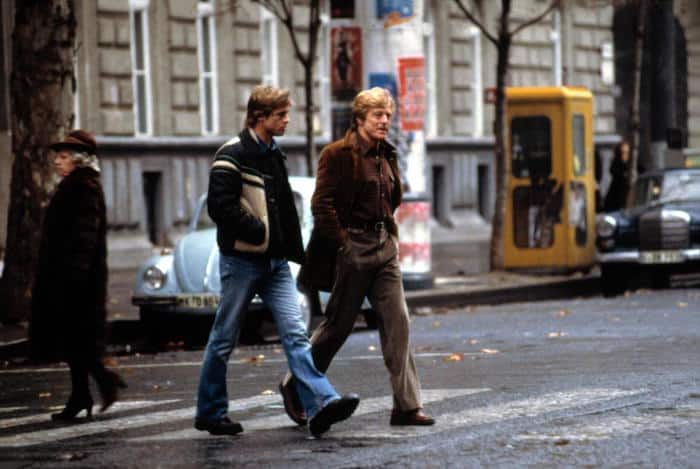
The physical similarities between Pitt and Redford were clearly not lost on Scott, who, along with ace cinematographer Dan Mindel, photographed his leads with maximum gloss set against gritty, war-torn backdrops.
It’s an interesting mix which gives the film a slick but rough-and-tumble aesthetic that Scott always played up for maximum visceral impact. Wagner’s propulsive editing works perfectly with the sonic booms of Harry Gregson-Williams’ dynamic musical score.
Spy Game is a film that never seems at rest, always on the go, from way up in the sky to the corners of a small room. My favorite scene in the film, other than those breathlessly gorgeous opening 10 minutes and the lushly photographed hotel explosion, is the clandestine conversation that Pitt and Redford have on the roof of a building somewhere in Berlin (the scene was actually shot in Budapest if I correctly recall).

Scott would have been the only director to think of shooting a two person dialogue-driven scene like this with a helicopter, and not only did he do it, the results are stunning and incredibly rare.
Redford was famously annoyed by the idea and couldn’t understand why Scott was shooting coverage with a helicopter for such a small sequence. That was until he saw the finished film (at least that’s the story that was tossed around Tony’s office when I was working for him…) He went on to do similar versions of this scene in Déjà Vu and in The Taking of Pelham 123, but this one bit in Spy Game is a real standout, and further demonstrated Scott’s innate ability with image, sound, and overall intent and purpose. And without spoiling the fun, of which there is a lot of in Spy Game, the ending is a real hoot, as you get to watch Redford’s character subvert his superiors all throughout the film in an effort to save his protégé and still retire on his terms.
I’ve watched this film countless times; it’s comfort movie-food for my brain.
Review by Nick Clement
Rating
-
Spy Game
Summary
Spy Game is a real standout, and further demonstrated Scott’s innate ability with image, sound, and overall intent and purpose.